Mold Abatement in Dallas, TX
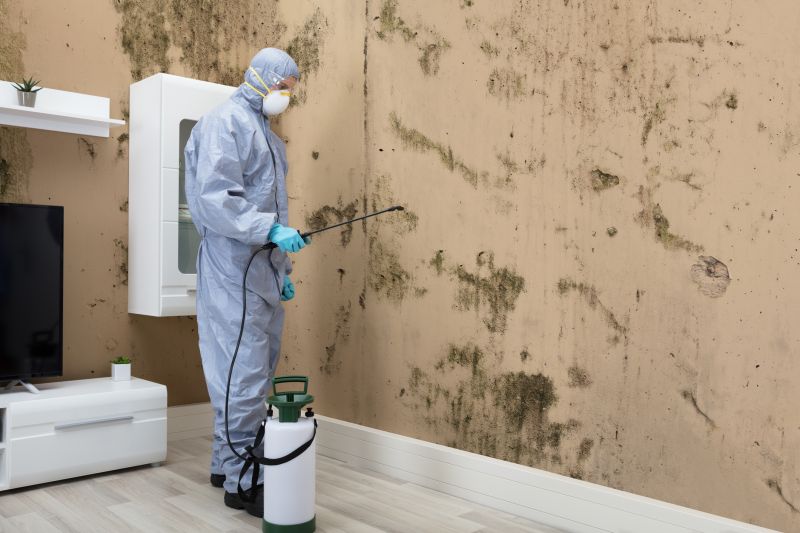
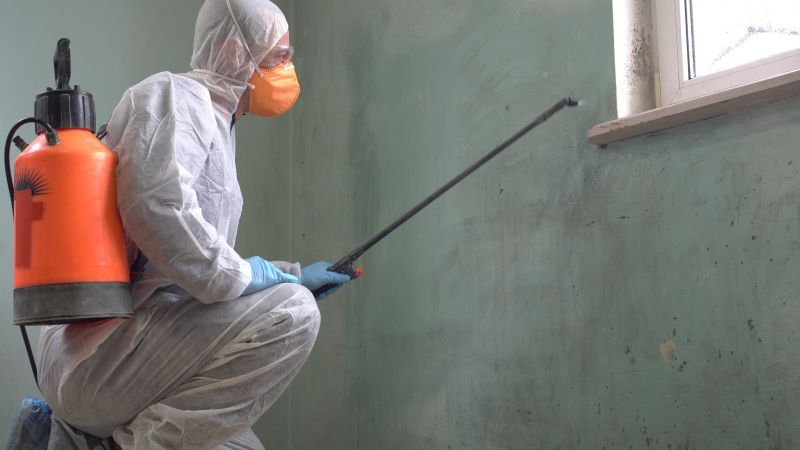
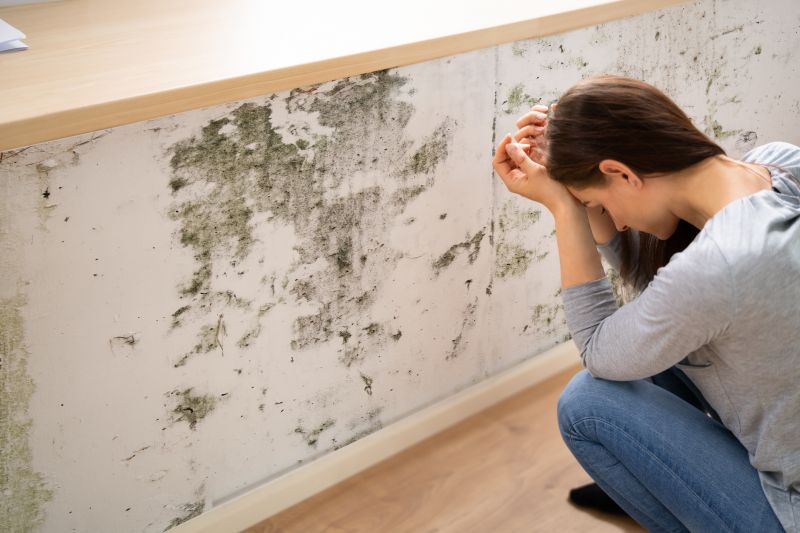
Mold abatement services involve the removal and cleanup of mold growth from residential properties, helping to improve indoor air quality and prevent potential health issues. These projects typically address mold found on walls, ceilings, insulation, or other surfaces after water damage, leaks, or high humidity. Property owners often seek mold abatement to eliminate visible mold, reduce musty odors, and restore a safe living environment, especially in areas prone to moisture buildup like bathrooms, basements, or attics.
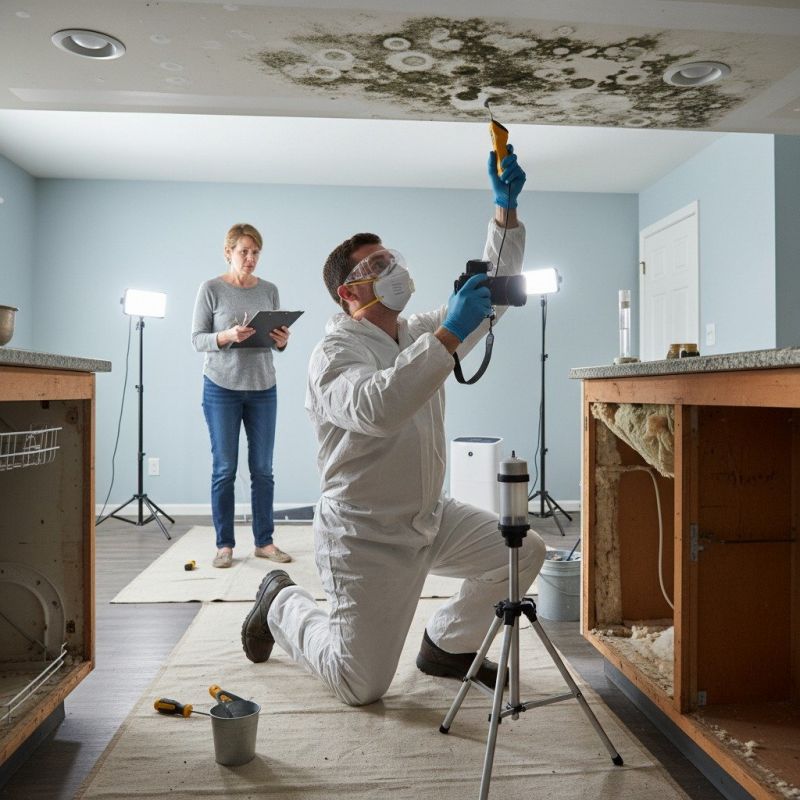
Before requesting mold abatement, homeowners usually want to understand the extent of the mold problem, including whether it is confined to a small area or widespread throughout the property. It’s also common to inquire about the methods used for removal and whether moisture sources will be addressed to prevent future growth. Ensuring proper containment and thorough cleanup are key considerations, along with understanding any necessary repairs to prevent mold from returning.
Many property owners in Dallas, TX look into Mold Abatement for repairs, replacements, upgrades, and appearance-related improvements.
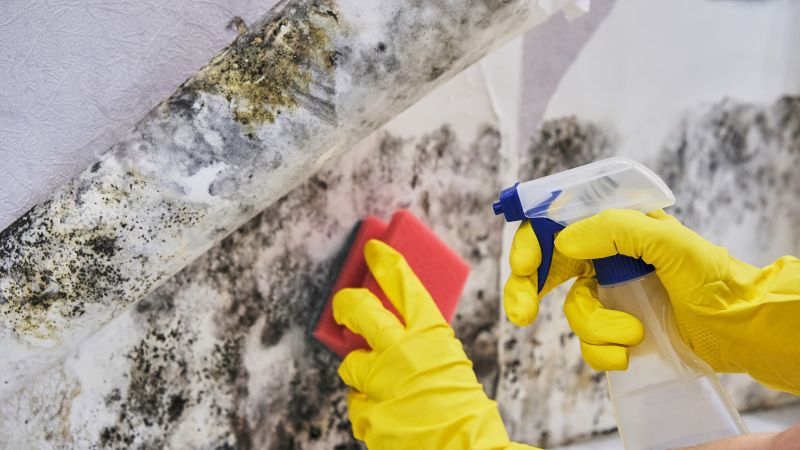
Mold Risk Reduction
Effective mold abatement helps protect property value and indoor air quality in dallas homes.
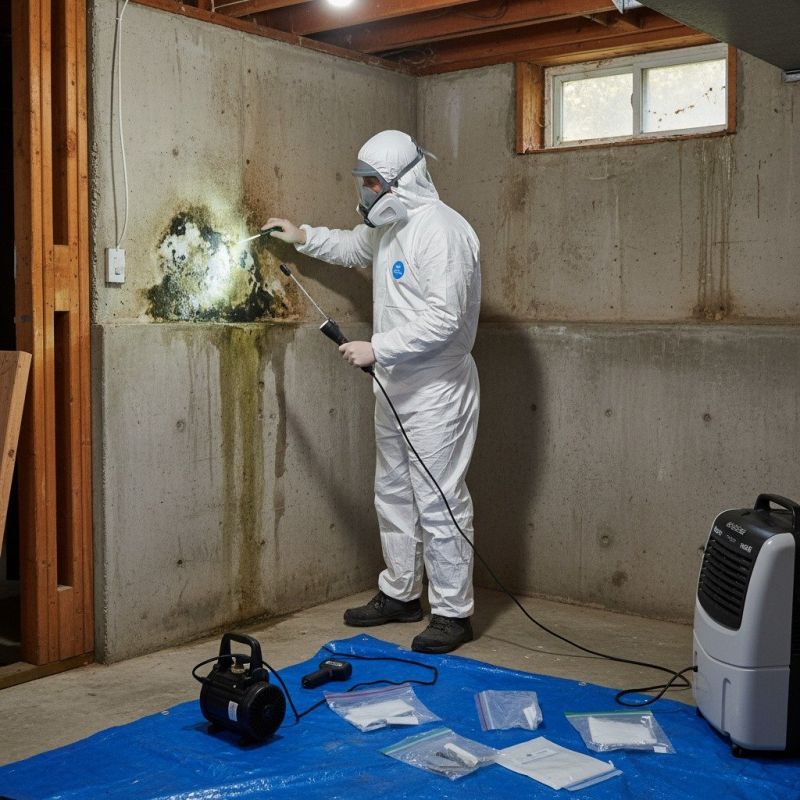
Remediation For Hidden Mold
Professional services identify and remove mold growth that may not be visible to the naked eye.
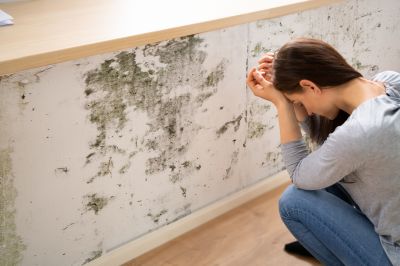
Preventative Mold Control
Addressing moisture issues and performing thorough cleanup can prevent future mold problems in residential and commercial spaces.
Mold Abatement in Dallas, TX
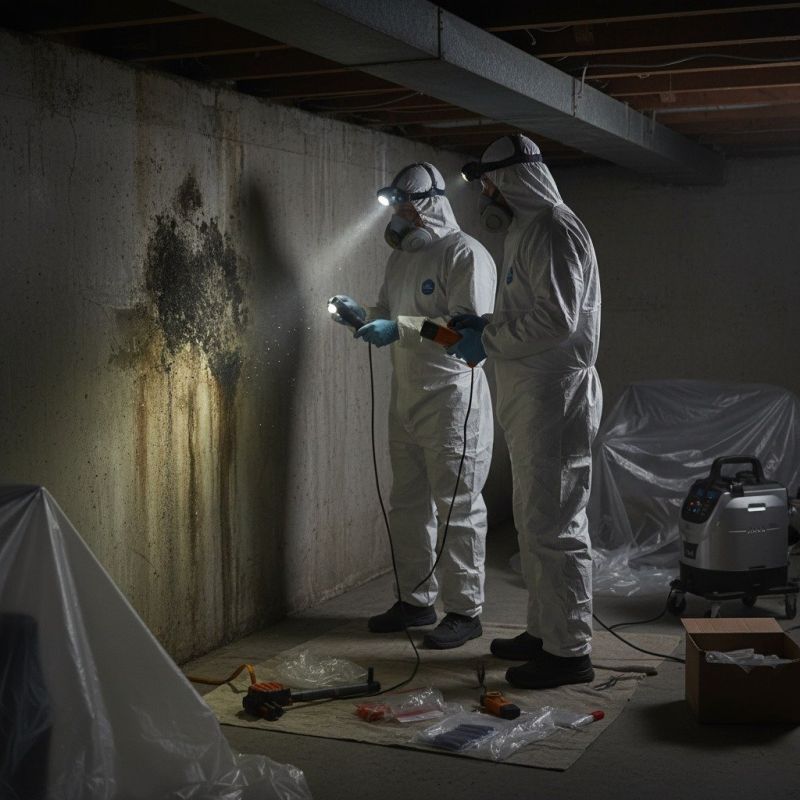
Mold abatement services involve the removal and cleanup of mold growth from residential properties, helping to improve indoor air quality and prevent potential health issues. These projects typically address mold found on walls, ceilings, insulation, or other surfaces after water damage, leaks, or high humidity. Property owners often seek mold abatement to eliminate visible mold, reduce musty odors, and restore a safe living environment, especially in areas prone to moisture buildup like bathrooms, basements, or attics.
Before requesting mold abatement, homeowners usually want to understand the extent of the mold problem, including whether it is confined to a small area or widespread throughout the property. It’s also common to inquire about the methods used for removal and whether moisture sources will be addressed to prevent future growth. Ensuring proper containment and thorough cleanup are key considerations, along with understanding any necessary repairs to prevent mold from returning.
Many property owners in Dallas, TX look into Mold Abatement for repairs, replacements, upgrades, and appearance-related improvements.
Common Mold Abatement Jobs
Mold removal - involves eliminating visible mold growth from affected areas to improve indoor air quality.
Mold remediation - addresses hidden mold sources behind walls, ceilings, and other concealed spaces.
Water damage cleanup - removes excess moisture that can lead to mold development in homes and properties.
Structural drying - uses specialized equipment to thoroughly dry building materials after leaks or flooding.
Air duct cleaning - helps reduce mold spores circulating through ventilation systems.
Surface cleaning and disinfecting - ensures contaminated surfaces are properly sanitized to prevent mold regrowth.
Mold Abatement Questions
What is mold abatement? Mold abatement involves removing mold growth from indoor spaces to improve air quality and prevent damage.
When is mold abatement needed? It is recommended when mold is visible or suspected due to moisture issues or past water damage.
What types of projects require mold abatement? Projects include mold removal from walls, ceilings, HVAC systems, and other areas affected by moisture.
What should property owners know about mold abatement? Proper containment and removal techniques are essential to prevent mold spores from spreading during the process.
Request Mold Abatement in Dallas, TX
Use the quote form on this page to share the basics of your project and request more information for the type of work you need.