Mold Control in Dallas, TX
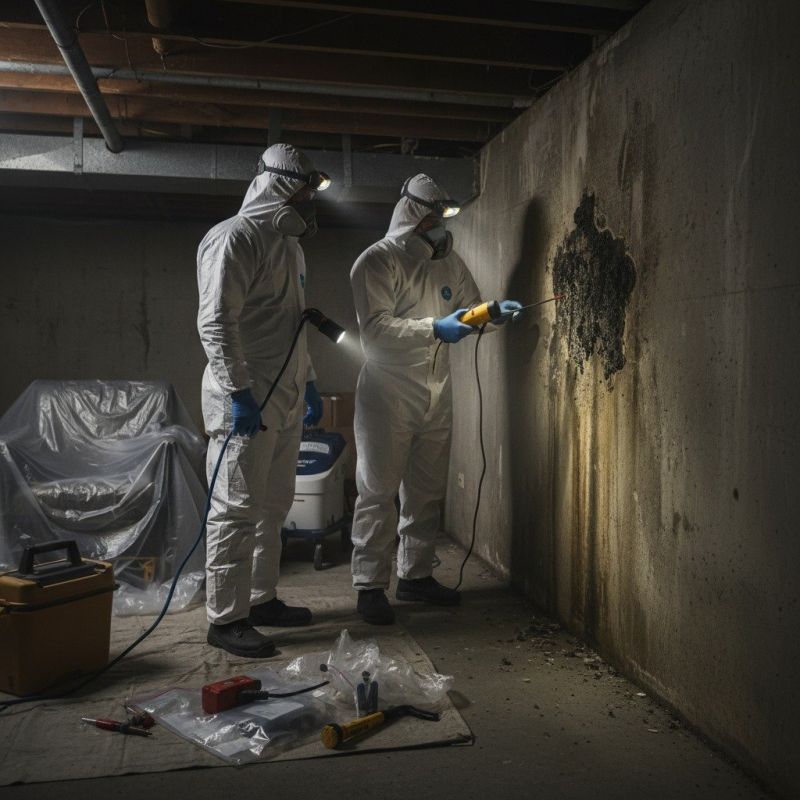
Mold control services focus on identifying and removing mold growth within residential properties, helping to improve indoor air quality and protect the structure of the home. These services typically address issues such as visible mold on walls, ceilings, or other surfaces, as well as hidden mold behind walls or under flooring caused by excess moisture or water intrusion. Projects may include thorough mold inspections, moisture assessments, containment, removal of affected materials, and application of treatments to prevent future growth. Property owners often seek mold control when experiencing persistent odors, allergy-like symptoms, or after water damage events, to ensure a safe and healthy living environment.
Before requesting mold control services, homeowners should understand the extent of mold growth and the potential sources of moisture that contributed to the problem. It’s helpful to know if mold is visible or suspected in hidden areas, such as behind drywall or under flooring. Clarifying concerns about specific health symptoms or water damage history can guide the scope of the project. Property owners should also inquire about the methods used for mold removal and whether post-treatment inspections or recommendations are provided to prevent recurrence. Proper assessment and planning are key to effectively addressing mold issues and maintaining a healthy home.
Many property owners in Dallas, TX look into Mold Control for repairs, replacements, upgrades, and appearance-related improvements.
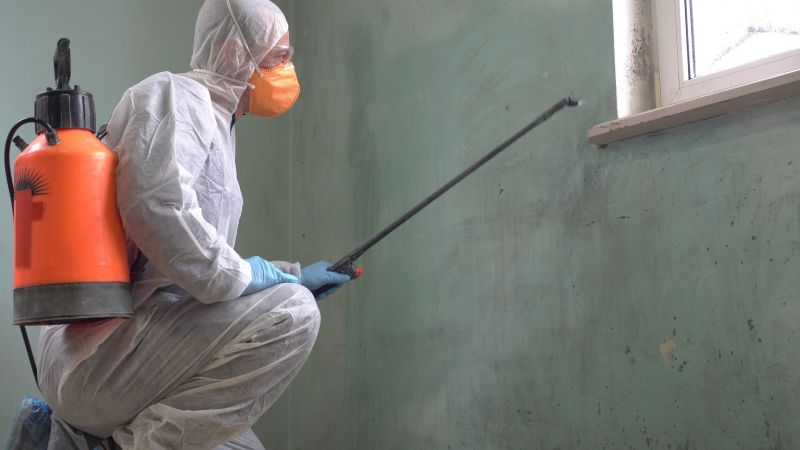
Identifying Mold Issues
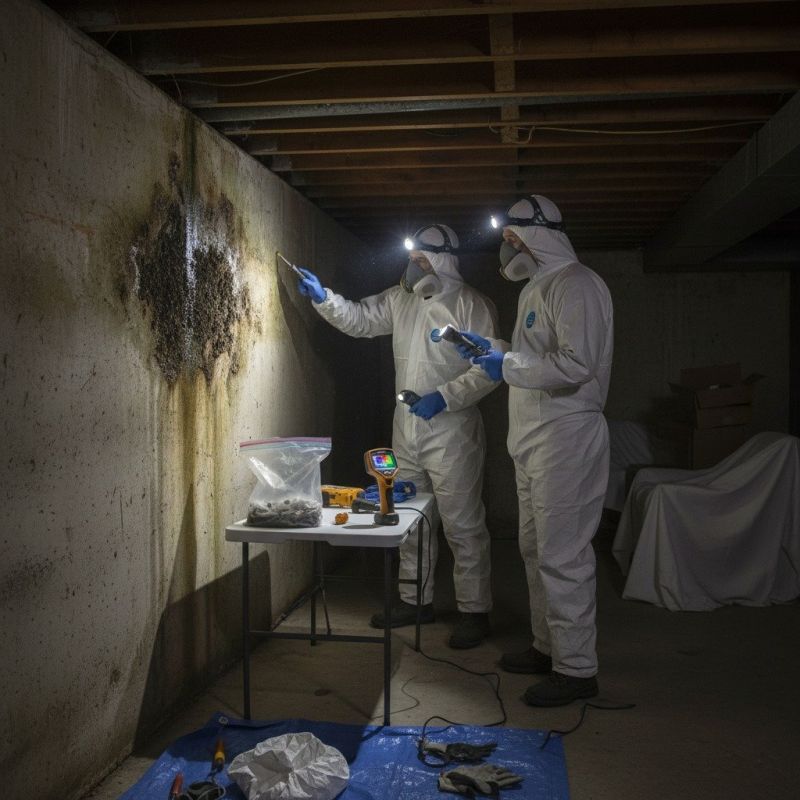
Assessments help detect hidden mold growth in residential and commercial properties in dallas, tx.
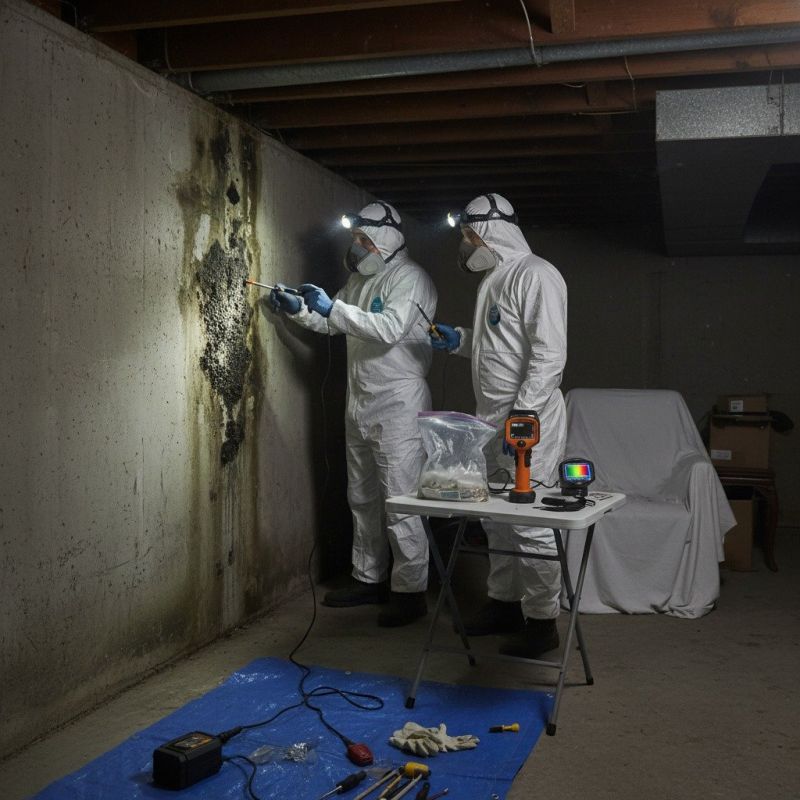
Mold Remediation Solutions
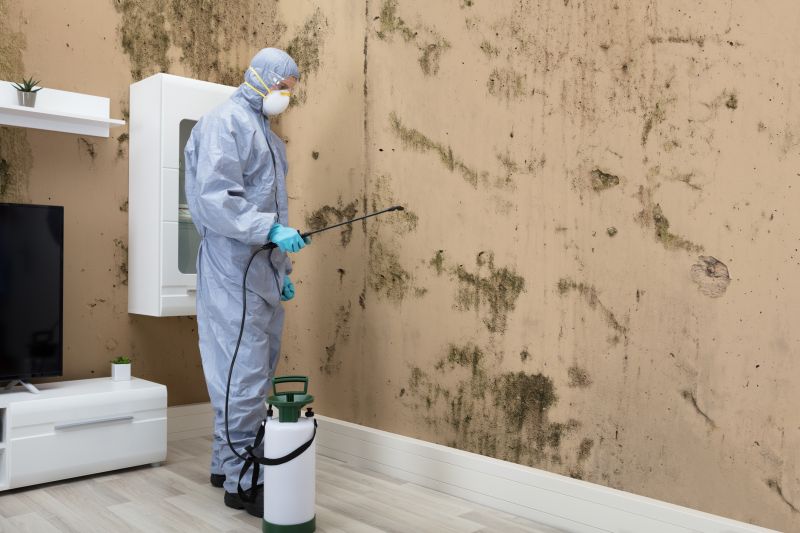
Comprehensive treatments eliminate mold from affected areas, improving indoor air quality and safety.
Preventative Mold Control
Strategies focus on reducing moisture and maintaining proper ventilation to prevent future mold development in dallas homes and businesses.
Mold Control in Dallas, TX
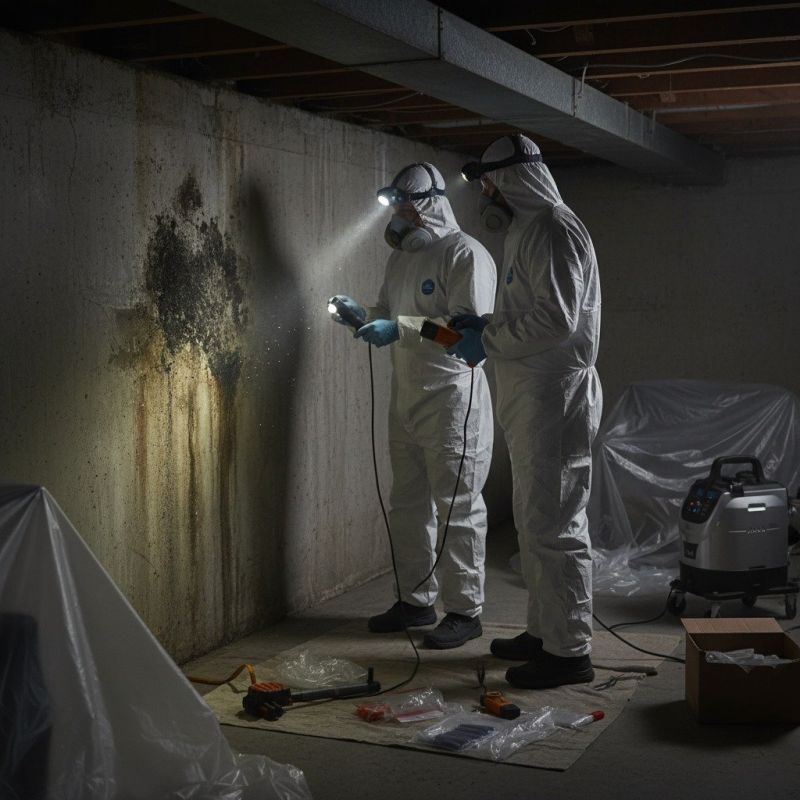
Mold control services focus on identifying and removing mold growth within residential properties, helping to improve indoor air quality and protect the structure of the home. These services typically address issues such as visible mold on walls, ceilings, or other surfaces, as well as hidden mold behind walls or under flooring caused by excess moisture or water intrusion. Projects may include thorough mold inspections, moisture assessments, containment, removal of affected materials, and application of treatments to prevent future growth. Property owners often seek mold control when experiencing persistent odors, allergy-like symptoms, or after water damage events, to ensure a safe and healthy living environment.
Before requesting mold control services, homeowners should understand the extent of mold growth and the potential sources of moisture that contributed to the problem. It’s helpful to know if mold is visible or suspected in hidden areas, such as behind drywall or under flooring. Clarifying concerns about specific health symptoms or water damage history can guide the scope of the project. Property owners should also inquire about the methods used for mold removal and whether post-treatment inspections or recommendations are provided to prevent recurrence. Proper assessment and planning are key to effectively addressing mold issues and maintaining a healthy home.
Many property owners in Dallas, TX look into Mold Control for repairs, replacements, upgrades, and appearance-related improvements.
Common Mold Control Jobs
Mold Inspection - identifies areas of mold growth and moisture issues within the property.
Mold Remediation - removes existing mold and prevents future growth through specialized cleaning methods.
Water Damage Repair - addresses leaks and flooding that can contribute to mold development.
Ventilation Solutions - improves airflow to reduce humidity levels and inhibit mold growth.
Moisture Control - implements measures to manage indoor humidity and prevent mold recurrence.
Air Quality Testing - assesses indoor air for mold spores and airborne contaminants.
Mold Control Questions
What causes mold growth indoors? Mold can develop due to excess moisture from leaks, high humidity, or poor ventilation in a property.
How can homeowners prevent mold issues? Keeping indoor areas dry, fixing leaks promptly, and ensuring proper airflow help reduce mold risks.
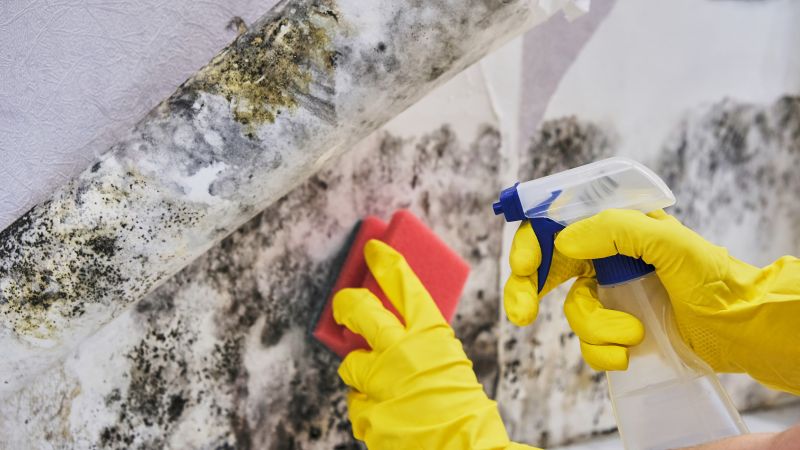
What types of surfaces are most susceptible to mold? Mold commonly grows on drywall, ceilings, wood, and fabric materials where moisture is present.
When is mold control necessary? Mold control is recommended when visible growth is detected or when a musty odor persists in the property.
Request Mold Control in Dallas, TX
Use the quote form on this page to share the basics of your project and request more information for the type of work you need.